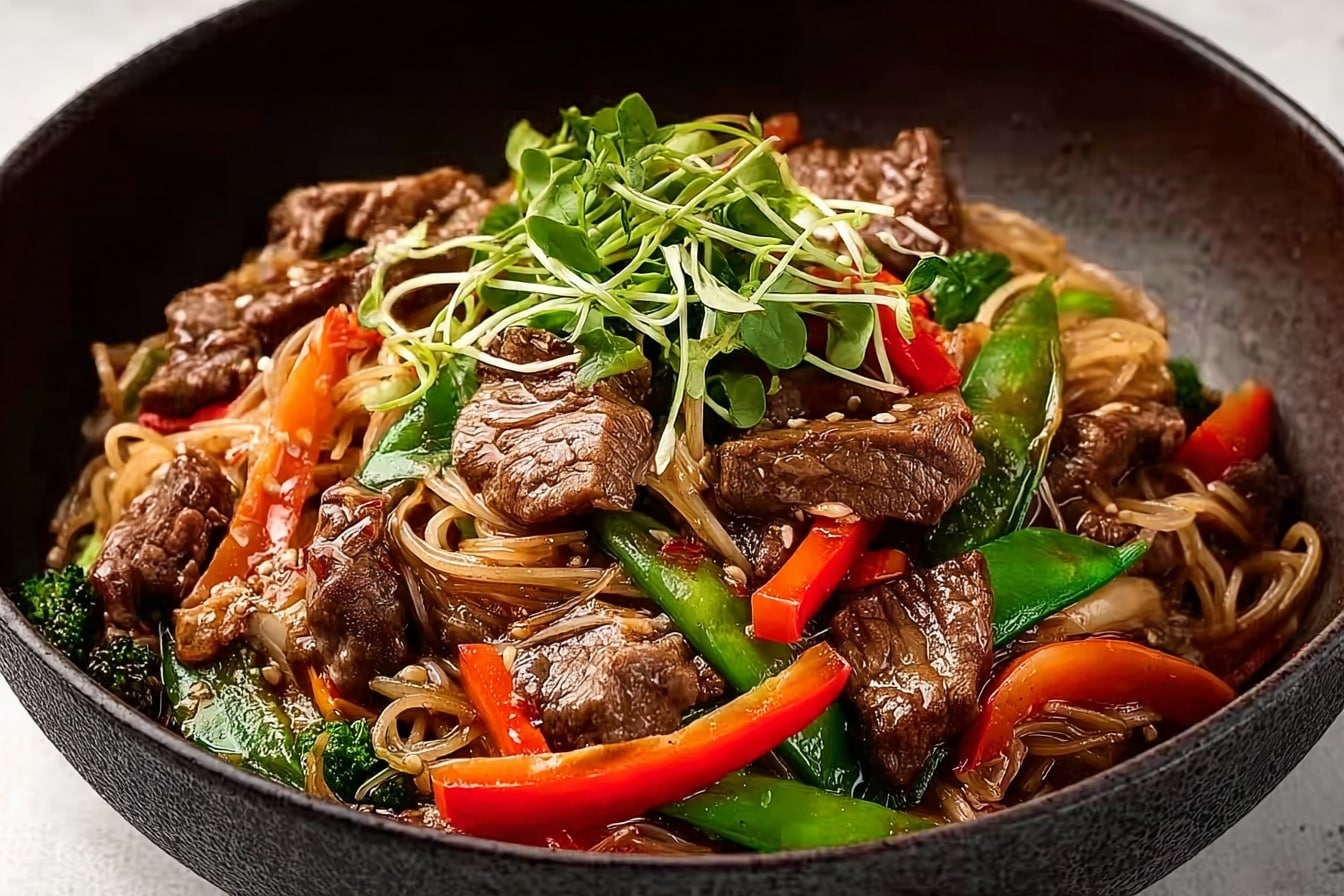
The Secret Weapon: Unlocking Flavor with Thai Nam Jim Sauce
At the heart of any truly spectacular Thai dish, especially this beef stir fry, lies an exceptional sauce. For our Easy Thai Beef Stir Fry Noodles, that hero is undoubtedly the Nam Jim sauce. Often referred to as "the dipping sauce," Nam Jim is far more than just an accompaniment; it's a symphony of fundamental Thai flavors – sour, sweet, salty, and spicy – all harmoniously balanced. This versatility is precisely what makes it ideal for transforming simple ingredients into an extraordinary meal.The magic of Nam Jim comes from its fresh, potent components:
- Fresh Chilies: These provide the essential heat.
- Lime Juice: Delivers that irresistible tangy brightness.
- Cilantro: Adds a fresh, herbaceous lift.
- Sugar: Balances the sour and spicy notes with a touch of sweetness.
- Shallots: Offer a delicate oniony bite.
- Fish Sauce: The backbone of Thai cuisine, providing rich umami and saltiness.
This potent blend isn't just for stir-fries; Nam Jim is incredibly adaptable. It shines as a vibrant dipping sauce for grilled meats or chicken, elevates a simple roast chicken, or even jazzes up chicken wings. Its complexity deepens over time, making it a fantastic candidate for meal prepping. Mixing up a batch on the weekend means you're just moments away from authentic Thai flavors throughout the week. While a traditional mortar and pestle or careful knife work is ideal for creating texture, a food processor can be a convenient alternative. Just be mindful not to over-process; you want small, distinct bits of each ingredient to ensure a delightful burst of flavor in every mouthful, rather than a homogenous puree.
Navigating the Heat: Choosing Your Chilies Wisely
One of the most crucial elements in your Nam Jim, and indeed in any Thai dish, is the chili. Thai cuisine is renowned for its fiery kick, but not all chilies are created equal. For most palates, those tiny, potent Thai bird's eye chilies can be "blow-your-head-off hot." Unless you consider yourself a serious chili-head, it's wise to opt for larger, milder red chilies. Varieties often referred to as "finger hots" are a great choice, typically offering a heat level similar to a jalapeño – noticeable but not overwhelming. Fresno chilies are another excellent option if available in your area. If you can't find these specific types, don't fret; you can always adjust by using fewer chilies or even supplementing with a touch of green chili for color and a different kind of warmth. Remember, you can always add more heat, but it's much harder to take it away. To delve deeper into mastering the heat and understanding the versatile nature of the sauce, explore our guide on Unlock Authentic Thai Flavors: Beef Stir Fry with Zesty Nam Jim.Building Your Perfect Thai Beef Stir Fry: Ingredients & Technique
Crafting a superb **thai beef stir fry with rice noodles** is about more than just the sauce; it’s about thoughtful ingredient selection and precise technique. The beauty of this dish lies in its simplicity and speed, but a few key considerations will elevate it from good to absolutely unforgettable.Selecting and Preparing Your Beef
The tender chewiness of the beef is paramount. Sirloin is an excellent choice for its balance of flavor and tenderness, though flank steak, skirt steak, or even tenderloin can also yield fantastic results. The secret to achieving restaurant-quality tenderness lies in how you slice it: always cut against the grain into thin, bite-sized strips. This breaks up the muscle fibers, preventing the beef from becoming tough during the quick cooking process. For an extra boost of succulence, consider a brief marinade (15-30 minutes) with a touch of soy sauce, a drizzle of sesame oil, and a pinch of cornstarch. The cornstarch creates a velvety texture and helps the sauce cling to the beef.The Noodle Narrative: Rice Noodle Choices and Preparation
When it comes to the "noodles" in our **thai beef stir fry with rice noodles**, flat rice noodles are a classic choice, similar to those used in Pad Thai, offering a delightful chew and surface area to soak up the glorious sauce. Thin rice vermicelli can also work if you prefer a lighter texture. The key is proper preparation: most rice noodles require soaking in hot water until pliable, or a quick boil, rather than extended cooking. They should be al dente – tender but still with a slight bite. For a refreshing twist, you can serve the prepared noodles cold, creating a fantastic noodle salad base. Alternatively, giving them a quick toss in a hot wok with a touch of oil just before serving adds a wonderful warmth and slight crispness that truly enhances the dish. To master the art of selecting and preparing your rice noodles for the perfect texture and heat balance, check out Perfect Thai Beef Stir Fry: Master Heat & Versatile Rice Noodles.Aromatics and Freshness: Thai Basil and Beyond
Assembling Your Weeknight Masterpiece: The Stir-Fry Method
The beauty of a stir-fry lies in its speed, but that speed demands preparation. "Mise en place" – having all your ingredients prepped, measured, and ready to go – is non-negotiable.Here’s a simplified breakdown of the cooking flow for your **thai beef stir fry with rice noodles**:
- Cook Noodles: Prepare your rice noodles according to package directions until tender-chewy, then drain and set aside.
- Sear Beef: Heat your wok or large skillet over high heat with a tablespoon of high-smoke-point oil. Once shimmering, add the beef in a single layer (cook in batches if necessary to avoid overcrowding) and sear quickly until browned and just cooked through. Remove the beef from the pan and set aside.
- Sauté Aromatics & Veg: Add a little more oil if needed, then quickly stir-fry your garlic, ginger, and any chosen vegetables until fragrant and slightly tender-crisp.
- Combine & Sauce: Return the beef to the wok. Add the prepared noodles. Pour in a generous amount of your homemade Nam Jim sauce. Toss everything together vigorously to ensure the noodles and beef are evenly coated.
- Finish with Fresh Herbs: Immediately stir in a generous handful of fresh Thai basil leaves. The residual heat will wilt them beautifully, releasing their aromatic essence.
